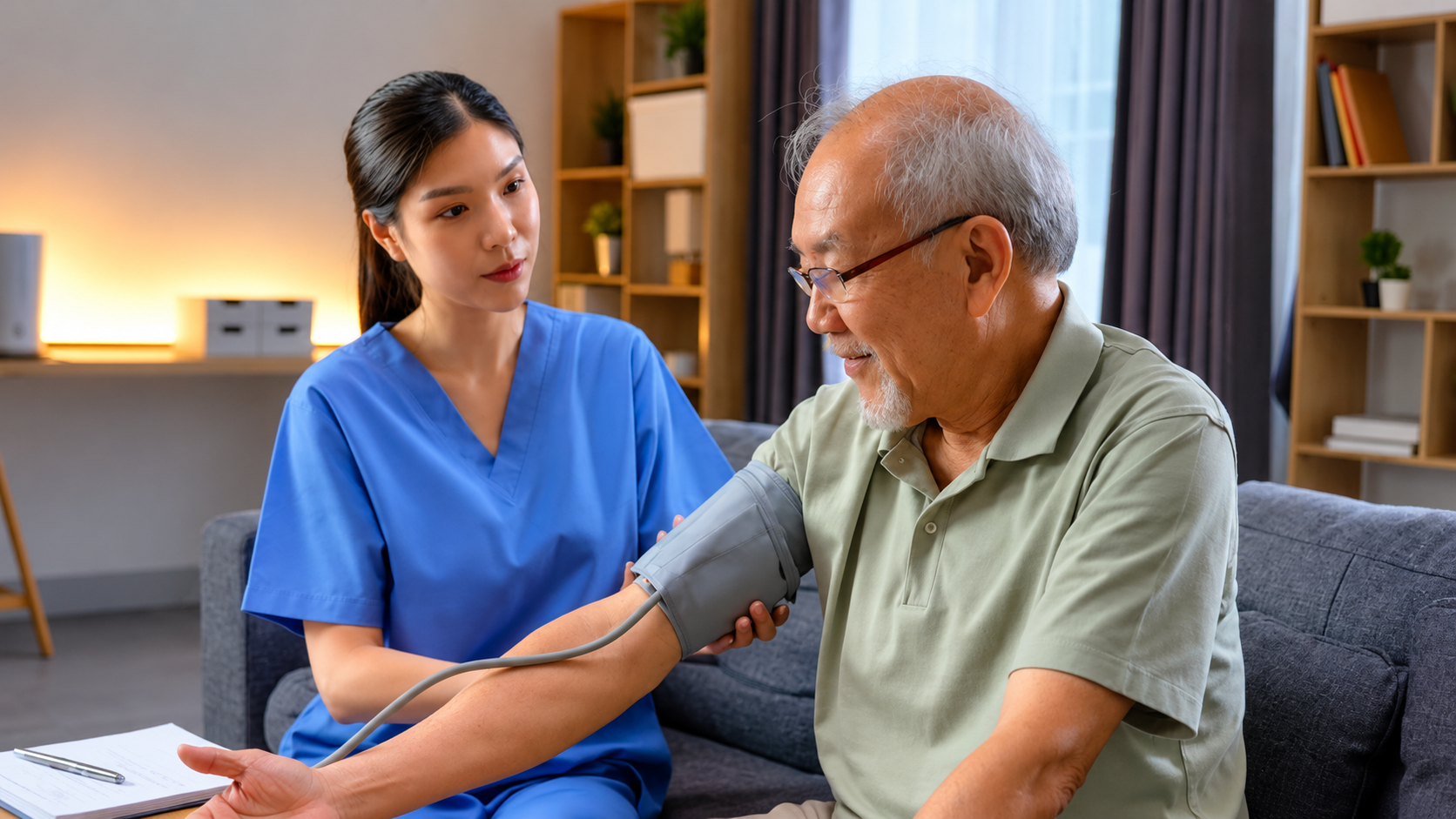
Growing older can bring changes to everyday life. Tasks that once felt simple may gradually require more time, effort, or assistance. For many seniors, receiving a little extra support at home can make daily life safer, more comfortable, and less stressful while allowing them to maintain their independence.
Knowing when to consider additional support is not always easy. The need may develop gradually rather than following one particular event. Recognising some common signs can help seniors and their families have supportive conversations and make decisions that suit individual needs.
Daily Tasks Are Becoming Difficult
Everyday activities can provide an early indication that additional support may be helpful. Cooking meals, doing laundry, cleaning the home, shopping, or managing personal care may become more physically demanding over time.
Occasional difficulty does not necessarily mean someone needs ongoing care. However, when everyday tasks regularly feel exhausting or are being avoided altogether, some practical assistance can make life considerably easier.
The aim should be to provide help where needed while allowing seniors to continue doing the things they are comfortable managing themselves.
Mobility Is Becoming a Concern
Changes in strength, balance, or mobility can make moving around the home more challenging. Seniors may begin avoiding stairs, holding onto furniture for support, or feeling less confident walking outdoors.
Falls or near falls should also be taken seriously. Simple home adjustments and appropriate assistance can help create a safer environment and provide greater confidence when moving around.
Support does not have to reduce independence. In many situations, it can actually help seniors remain active and independent for longer.
Meals and Nutrition Are Changing
Preparing nutritious meals requires planning, shopping, cooking, and cleaning. These activities can become difficult when energy levels or mobility change.
Families might notice fewer fresh foods at home, skipped meals, or an increased reliance on convenient options. Support with grocery shopping and meal preparation can make maintaining a balanced diet easier while allowing seniors to continue enjoying foods they like.
Personal Care Is Becoming Harder
Changes in personal hygiene or appearance can sometimes indicate that everyday self care has become more challenging.
Activities such as showering, dressing, grooming, or getting ready for the day may require additional assistance. Respectful support with personal care can help seniors maintain their usual routines while protecting their privacy, comfort, and dignity.
Social Interaction Has Reduced
Extra support is not always about physical needs. Social connection is an important part of wellbeing at every age.
A senior who once enjoyed outings, hobbies, or catching up with friends may gradually spend more time alone. Limited mobility, transport difficulties, or changes in confidence can make socialising harder.
Companionship and assistance with community activities can help seniors remain connected to the people and experiences they value.
Family Members Are Becoming Concerned
Sometimes family members notice changes before the person themselves. They may see unopened mail, missed appointments, an untidy home, changes in routine, or increasing difficulty completing everyday activities.
These concerns should be approached with sensitivity. Rather than making decisions for an older loved one, families can start an open conversation about what is becoming difficult and what type of support might make life easier.
Conclusion
There is no single moment when every senior should consider extra support at home. Each person’s circumstances, abilities, preferences, and goals are different.
The right time is often when everyday activities begin becoming harder, safety becomes a concern, or a little assistance could make daily life more comfortable.
Seeking support does not mean giving up independence. The right assistance can help seniors continue making their own choices, following familiar routines, staying socially connected, and enjoying life in their own home with greater confidence and peace of mind.