Living with a disability can present daily challenges, both physically and emotionally. Having the right support at home can make a significant difference in quality of life. Trained carers play a crucial role in providing professional assistance, helping people with disabilities live independently and confidently while ensuring their safety and well-being.
Ensuring Safety and Daily Assistance
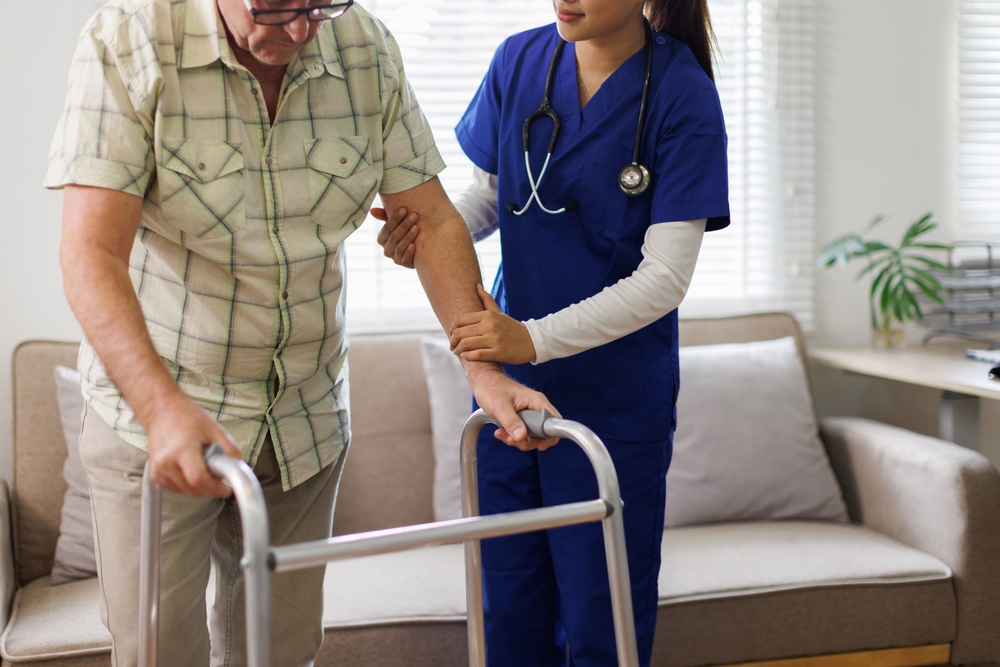
One of the most important roles of trained carers is to provide practical support with daily activities. This includes help with personal care, meal preparation, mobility, and medication management. By assisting with these essential tasks, carers ensure that individuals with disabilities can manage their day comfortably and safely. Knowing that someone trained is there to support them reduces risks of accidents and provides peace of mind for both the person receiving care and their family.
Promoting Independence and Confidence
It might seem surprising, but receiving support from a trained carer can actually increase independence. Carers help individuals perform tasks they might struggle with on their own, giving them the confidence to take on responsibilities within their abilities. With encouragement and guidance, people with disabilities can develop skills to manage their routines more effectively. This balance between support and independence is key to maintaining self-esteem and overall well-being.
Providing Emotional and Mental Support
Disability home support is not only about physical help. Trained carers also offer emotional support and companionship. Many individuals with disabilities experience loneliness or anxiety, particularly when living alone or with limited social contact. Carers provide someone to talk to, offer reassurance, and help maintain a positive outlook. Their presence can reduce stress, promote emotional stability, and create a supportive environment where individuals feel valued and understood.
Tailored Care for Individual Needs
Every person with a disability has unique requirements, and trained carers are skilled at providing personalised support. They assess individual needs and adapt their care accordingly, whether it involves specialised mobility assistance, communication support, or health monitoring. This tailored approach ensures that each individual receives the right level of support while respecting their preferences and dignity.
Encouraging Social Engagement and Participation
Trained carers often help individuals with disabilities connect with their community and participate in activities. This can include accompanying them to appointments, community events, or social gatherings. Regular engagement not only improves mental health but also helps people build meaningful relationships and maintain a sense of belonging. Carers play an important role in fostering social interaction and promoting a more active and fulfilling lifestyle.
Supporting Families and Caregivers
The role of trained carers extends to providing support for families. Knowing that a loved one is receiving professional care allows families to focus on quality time together and reduces the emotional and physical strain of caregiving. Carers serve as a reliable partner, ensuring that the individual’s needs are met while families can feel confident in the level of support provided.
Conclusion
Trained carers are essential in disability home support. They provide a combination of practical assistance, emotional support, and personalised care that allows individuals with disabilities to live safely, confidently, and independently. By promoting independence, encouraging social participation, and supporting families, carers play a pivotal role in enhancing overall quality of life. Investing in professional carers ensures that people with disabilities receive the care, dignity, and respect they deserve every day.