




Putting Your Health Care Needs First....

Mindfulness and Meditation: Techniques for Stress Relief in Seniors

Mindfulness and Meditation: Techniques for Stress Relief in Seniors

Life presents unique challenges that can lead to increased stress and anxiety, especially for older adults.

From health concerns to feelings of loneliness, navigating these emotional landscapes can be overwhelming.

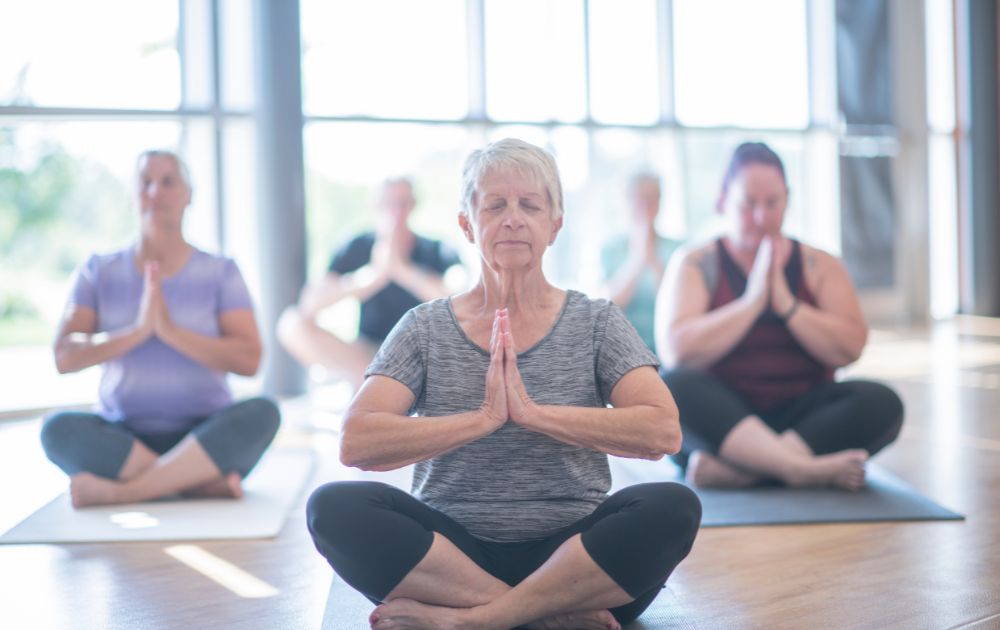
However, mindfulness and meditation offer powerful tools for managing stress and enhancing overall well-being. These practices encourage a deeper connection to the present moment, fostering calm and clarity in daily life.

Mindfulness Overview

Mindfulness is the art of staying fully engaged in the present moment, consciously observing your thoughts, emotions, and bodily sensations without passing judgement. It involves cultivating an open and accepting mindset, allowing you to experience each moment as it naturally unfolds.

For seniors, mindfulness can provide a welcome break from worries about the past or future, allowing them to focus on the here and now. This change in perspective can help alleviate anxiety and foster a sense of calm and tranquillity.

Advantages of Practising Mindfulness and Meditation

Research shows that mindfulness and meditation can offer numerous benefits for older adults.

These practices can lower blood pressure, improve sleep quality, and enhance emotional resilience.

By cultivating a sense of awareness, seniors may find it easier to manage their thoughts and emotions, leading to a greater sense of control over their lives.

Simple Techniques for Seniors

  1. Breath Awareness:One of the simplest mindfulness techniques is focusing on the breath. Seniors can sit comfortably, close their eyes, and take slow, deep breaths. Counting each inhalation and exhalation can help maintain focus. If thoughts drift, gently return attention to the breath.
  2. Body Scan:This technique involves mentally scanning your body to identify areas of tension. Starting from the toes and moving up to the head, seniors can notice any areas of discomfort and consciously relax them. This approach not only induces relaxation but also boosts your body awareness.
  3. Guided Meditation:Many resources are available online, including apps and videos tailored for seniors. Guided meditations often include soothing music and gentle instructions, making it easier to engage with the practice.
  4. Nature Walks:Practicing mindfulness while walking in nature can be incredibly beneficial. Seniors can focus on the sights, sounds, and smells around them, grounding themselves in the present moment while enjoying the beauty of their surroundings.
  5. Gratitude JournallingEncouraging seniors to keep a gratitude journal can foster a positive mindset. Writing down a few things they are thankful for each day can shift focus away from stressors and highlight the good in life.


Conclusion

Incorporating mindfulness and meditation into daily routines can significantly enhance stress relief for seniors.

These practices promote relaxation, improve emotional health, and create a deeper connection to the present moment. By embracing mindfulness, older adults can cultivate a sense of peace and resilience, enriching their golden years with joy and contentment.

Whether through simple breathing exercises or nature walks, the journey towards mindfulness is a rewarding one that can lead to lasting benefits.

Recent Posts

How Can You Support Independent Living with a Disability?

Living independently is an important goal for many people with disabilities. Independence does not mean doing everything alone. Instead, it means having the freedom to make choices, participate in everyday activities, and live a life that reflects personal goals and preferences. With the right support, resources, and environment, individuals with disabilities can enjoy greater confidence, inclusion, and quality of life.


Read More »

What Are the Most Effective Ways to Boost Senior Wellness?

Staying well in later years is about more than just physical health. It’s about feeling good in your body, mind, and heart, and staying connected with the people and activities that bring joy. Small, consistent steps can make a big difference in helping seniors live independently and happily.

Read More »

How Does Healthcare Support People with Physical Disabilities?

Healthcare plays a crucial role in supporting people with physical disabilities, helping them live fulfilling, independent, and dignified lives. From medical interventions to rehabilitation, assistive devices, and emotional support, healthcare systems work to address the unique needs of individuals with physical challenges.

Read More »

Why Is Consistency Important in Home Care?

Choosing home care is about more than finding someone to help with daily tasks. It is about ensuring that care is reliable, familiar, and tailored to an individual’s unique needs. One of the most important factors in achieving quality care is consistency. Receiving support from familiar carers who understand a person’s routines, preferences, and goals can have a positive impact on their physical health, emotional wellbeing, and overall quality of life.

Read More »