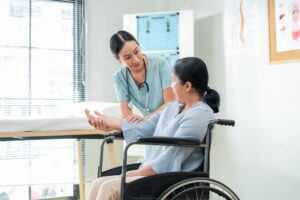
Healthcare plays a crucial role in supporting people with physical disabilities, helping them live fulfilling, independent, and dignified lives. From medical interventions to rehabilitation, assistive devices, and emotional support, healthcare systems work to address the unique needs of individuals with physical challenges.
Early Diagnosis and Preventive Care
One of the first ways healthcare supports people with physical disabilities is through early diagnosis and preventive care. Regular health check-ups, screenings, and assessments help identify conditions that could lead to mobility challenges or other physical limitations.
Timely interventions not only prevent complications but also improve long-term health outcomes. Preventive care, including vaccinations, physiotherapy guidance, and lifestyle advice, equips individuals and their families with the knowledge to maintain optimal health and prevent secondary complications.
Medical Treatment and Rehabilitation
Healthcare support extends beyond diagnosis to active treatment and rehabilitation. People with physical disabilities often require specialized medical care tailored to their condition.
This may include surgeries, medication, or ongoing therapies. Rehabilitation programs such as physiotherapy, occupational therapy, and speech therapy are essential in enhancing mobility, strength, and coordination. These programs are designed to empower individuals, helping them regain independence and perform daily tasks with greater ease.
Access to Assistive Devices
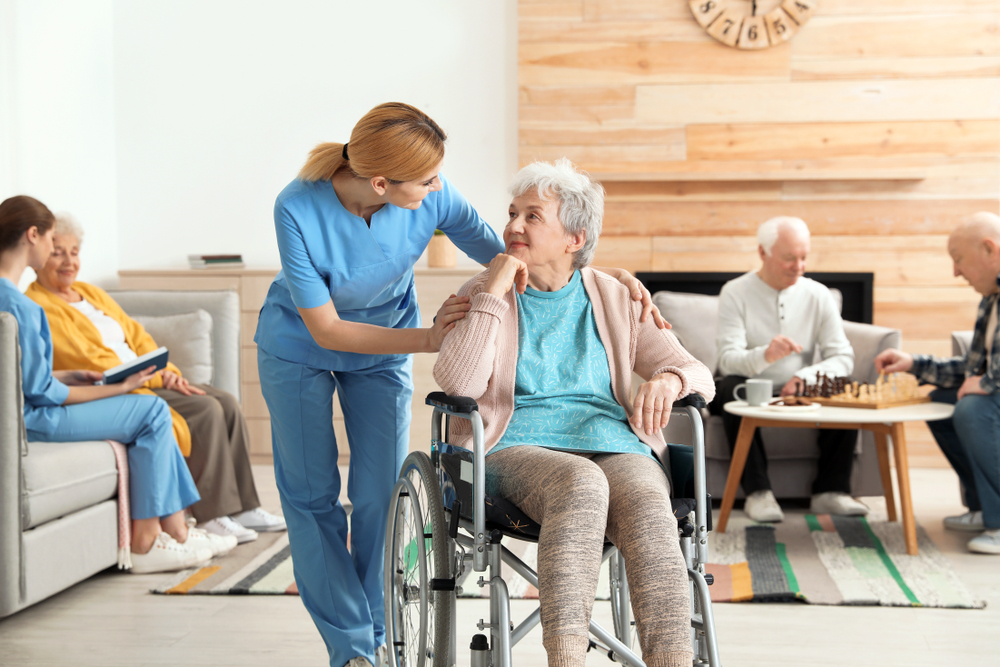
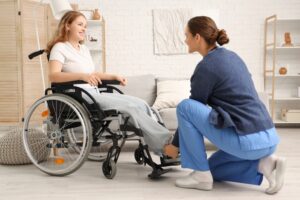
Modern healthcare systems also provide access to a wide range of assistive devices that can significantly improve the quality of life for people with physical disabilities. Wheelchairs, walkers, prosthetics, orthotic supports, hearing aids, and communication devices help individuals overcome barriers and participate more fully in their communities.
Healthcare professionals guide patients in selecting the right devices and provide training to ensure proper use, safety, and comfort. These tools not only support physical function but also boost confidence and self-reliance.
Psychological and Emotional Support
Physical disabilities can impact mental health and emotional well-being. Healthcare providers recognize the importance of offering psychological support alongside medical care.
Counseling, therapy sessions, and support groups provide individuals and their families with coping strategies, stress management tools, and peer support. This holistic approach ensures that emotional health is prioritized, helping people with physical disabilities maintain a positive outlook and resilience in daily life.
Specialized Community and Outreach Programs
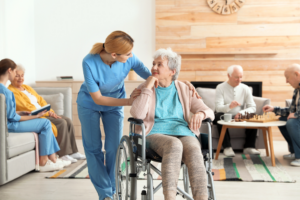
Many healthcare organizations run specialized programs to support people with physical disabilities within their communities. These include accessible clinics, mobile health units, rehabilitation centers, and home-based care services.
Outreach programs often focus on educating families, caregivers, and the public about physical disabilities, reducing stigma, and promoting inclusion. By bringing healthcare services closer to people’s homes, these initiatives make it easier for individuals to receive consistent care and maintain independence.
Advocacy and Policy Support
Healthcare support is also strengthened through advocacy and policy initiatives. Governments and non-profit organizations work to ensure that people with physical disabilities have access to affordable healthcare, social support, and inclusive infrastructure.
Policies that provide insurance coverage for rehabilitation, assistive devices, and disability-specific care remove financial barriers and promote equity. Healthcare providers often collaborate with policymakers to highlight challenges faced by people with physical disabilities and suggest practical solutions.
The Role of Technology in Enhancing Care
Technology has revolutionized healthcare support for people with physical disabilities. Telemedicine, wearable devices, mobility-enhancing robotics, and smart home adaptations enable individuals to monitor their health, receive remote consultations, and live more independently.
Innovations in prosthetics, orthotics, and adaptive equipment continue to expand possibilities, making everyday activities more manageable and improving overall quality of life.
Conclusion
Healthcare support for people with physical disabilities is multi-faceted, combining medical care, rehabilitation, assistive technologies, emotional guidance, and community programs. By addressing both physical and psychological needs, healthcare systems empower individuals to live meaningful, independent, and fulfilling lives. With ongoing advancements in technology, policy, and community outreach, the future promises even greater opportunities for people with physical disabilities to thrive.