


9 Small Acts That Create a More Inclusive World
Creating a more inclusive world may seem like a daunting task, but the truth is, small acts of kindness and awareness can have a profound impact.
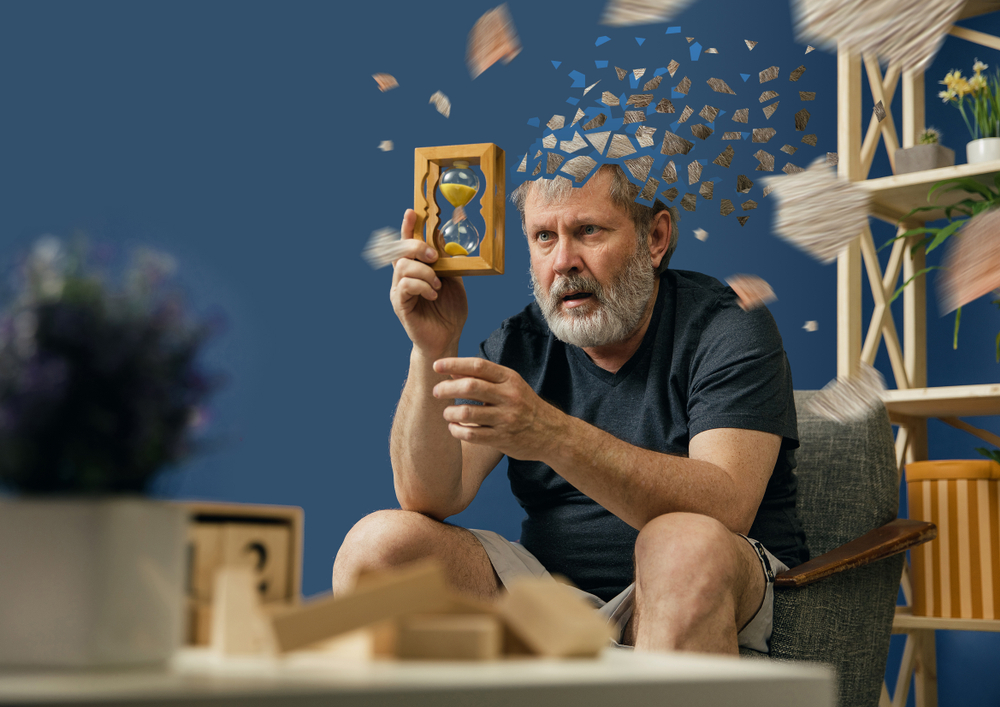
Functional Neurological Disorder (FND) is a complex and often misunderstood condition, affecting the nervous system’s ability to send and receive signals properly. Characterized by neurological symptoms not explained by other medical conditions, FND can be as disabling as any other neurological disease. In this article, we delve into what FND is, its symptoms, causes, diagnosis, and treatment.
What is Functional Neurological Disorder?
FND, previously known as Conversion Disorder, occurs when there is a problem with the functioning of the nervous system and how the brain and body send and receive signals, rather than a structural disease process such as a stroke, multiple sclerosis, or epilepsy. This condition reflects a problem with “software” rather than “hardware” in computer terms.
Symptoms
The symptoms of FND are diverse and can mimic those of other neurological disorders. They vary greatly in severity and can include:
Causes
The exact cause of FND is not yet fully understood, but it is thought to result from a combination of physical, psychological, and environmental factors. These can include:
Diagnosis
Diagnosing FND can be challenging. It involves ruling out other neurological conditions through tests like MRIs, EEGs, and blood tests. A crucial aspect is the identification of positive signs consistent with FND during a neurological examination. These signs can include inconsistencies in symptoms or symptoms that don’t align with typical neurological patterns.
.
Treatment
Treatment for FND is multidisciplinary and personalized. It can include:
Conclusion:
FND represents a significant challenge in neurology, both in understanding and treatment. Ongoing research into its causes and treatments holds the promise of better outcomes for patients. It’s crucial for those suffering from FND to seek comprehensive care and for their healthcare providers to approach the condition with a nuanced, multidisciplinary perspective. By increasing awareness and understanding of FND, we can foster a more supportive environment for those affected, leading to better management and outcomes

Creating a more inclusive world may seem like a daunting task, but the truth is, small acts of kindness and awareness can have a profound impact.

As we age, a good night’s sleep can sometimes feel harder to come by. Changes in body rhythms, health conditions, or even certain medications can interfere with restful slumber.

Ageing is a natural part of life but staying healthy and vibrant as the years pass often feels like a mystery. While doctors provide guidance on exercise, diet, and routine check-ups, there are lesser-known strategies that can make a huge difference in how people age, both physically and mentally.

Living with a disability often requires more than just determination; it demands creativity, adaptability, and a knack for solving problems in ways others might never consider. People living with disabilities develop daily “life hacks” that make everyday challenges manageable, turning obstacles into opportunities for innovation.
Copyright © 2018 - 2023, TAUS Care. All Rights Reserved. Designed by RepuNEXT.