




Putting Your Health Care Needs First....

Cooking Made Accessible: Tools and Tips for the Kitchen

Senior cooking

Cooking Made Accessible: Tools and Tips for the Kitchen

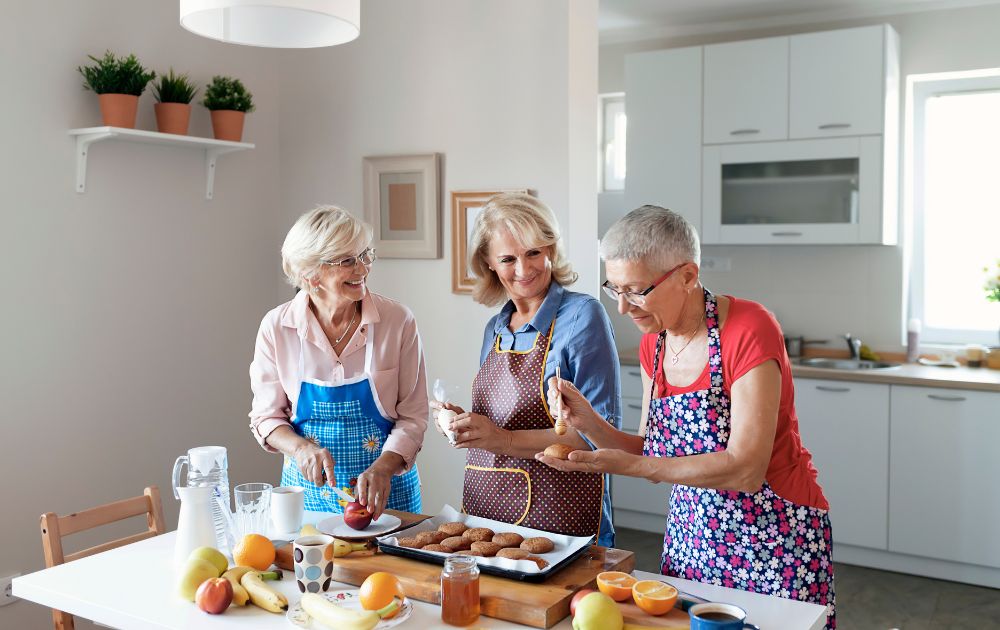
Cooking is a joyful activity that brings people together, but for individuals with disabilities, it can sometimes feel daunting. With the right tools and strategies, the kitchen can become an inclusive space where everyone can thrive. Here are some practical tips and tools to make cooking accessible and enjoyable.


1. Accessible Kitchen Layout


An inclusive kitchen design is the foundation of accessible cooking. Ensure that frequently used items are stored within easy reach, such as utensils, pans, and ingredients. Adjustable-height countertops or workstations can be incredibly helpful, allowing individuals who use wheelchairs or have limited mobility to prepare food comfortably. Additionally, open shelving instead of high-mounted cabinets provides easy access.


2. Adaptive Kitchen Tools


Innovative tools and gadgets designed for people with disabilities make a world of difference in the kitchen. Some examples include:

  • Ergonomic Utensils: These feature easy-to-grip handles, perfect for those with arthritis or limited dexterity.
  • One-Handed Cutting Boards: Boards with stabilising spikes or clamps hold food in place, making chopping and slicing simpler.
  • Electric Can Openers: A hands-free can opener eliminates the need for twisting motions.
  • Specialised Knives: Rocker knives allow cutting with a rocking motion, requiring less force and control.
  • Jar Openers and Grippers: Rubberised tools make opening jars and bottles far less strenuous.


3. Simplify with Modern Appliances


Modern appliances with accessible features can streamline meal preparation. Induction hobs reduce the risk of burns, while talking microwaves or ovens provide audio cues to help manage cooking times. Food processors and blenders with large buttons or touch controls are also user-friendly for those with motor impairments.


4. Safety First


Creating a safe cooking environment is crucial. Tools such as oven mitts with extended sleeves can protect against burns, while spill guards for pots reduce the risk of accidents. Non-slip mats on countertops and floors ensure stability, and smoke alarms with visual or vibrating alerts cater to those with hearing impairments.


5. Pre-Preparation and Assistance


Pre-chopped ingredients or ready-made meal kits can simplify cooking. For those who enjoy assistance, involving a caregiver or loved one can make the experience more collaborative and fun.


6. Customising Recipes


Cooking accessible meals means adapting recipes to suit individual needs. This could involve reducing preparation steps, using fewer ingredients, or incorporating pre-made bases. Online resources often have recipe adaptations specifically designed for diverse abilities.

Cooking is for everyone, and with the right tools and approach, the kitchen can be an empowering and fulfilling space for individuals of all abilities.

Recent Posts

How Can You Support Independent Living with a Disability?

Living independently is an important goal for many people with disabilities. Independence does not mean doing everything alone. Instead, it means having the freedom to make choices, participate in everyday activities, and live a life that reflects personal goals and preferences. With the right support, resources, and environment, individuals with disabilities can enjoy greater confidence, inclusion, and quality of life.


Read More »

What Are the Most Effective Ways to Boost Senior Wellness?

Staying well in later years is about more than just physical health. It’s about feeling good in your body, mind, and heart, and staying connected with the people and activities that bring joy. Small, consistent steps can make a big difference in helping seniors live independently and happily.

Read More »

How Does Healthcare Support People with Physical Disabilities?

Healthcare plays a crucial role in supporting people with physical disabilities, helping them live fulfilling, independent, and dignified lives. From medical interventions to rehabilitation, assistive devices, and emotional support, healthcare systems work to address the unique needs of individuals with physical challenges.

Read More »

Why Is Consistency Important in Home Care?

Choosing home care is about more than finding someone to help with daily tasks. It is about ensuring that care is reliable, familiar, and tailored to an individual’s unique needs. One of the most important factors in achieving quality care is consistency. Receiving support from familiar carers who understand a person’s routines, preferences, and goals can have a positive impact on their physical health, emotional wellbeing, and overall quality of life.

Read More »