





Putting Your Health Care Needs First....

Adaptive Activities: Encouraging Active Lives in the Disabled Community

Adaptive Activities: Encouraging Active Lives in the Disabled Community

Adaptive activities have long held the key to unlocking potential, fostering inclusion, and promoting physical well-being within the disabled community. They stand as a testament to human resilience, innovation, and our innate desire for movement, irrespective of physical limitations.


Understanding Adaptive Activities


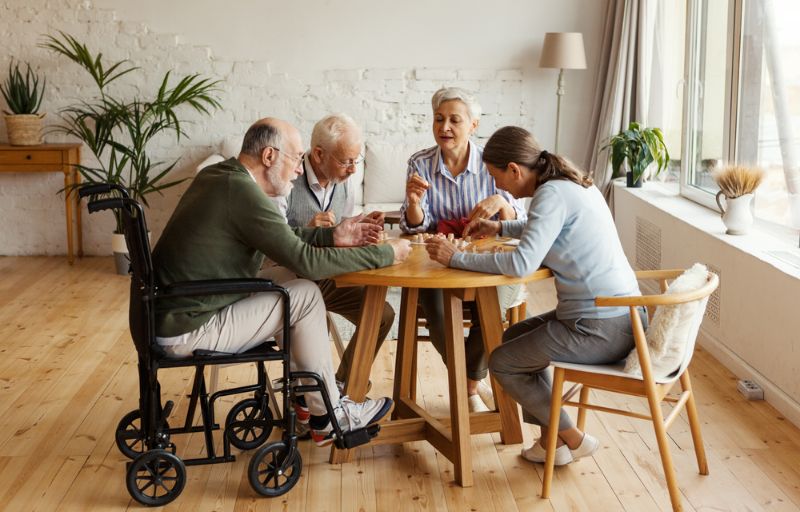
At its core, an adaptive activity is any form of recreation or exercise modified to accommodate individuals with disabilities. It ranges from adaptive sports such as wheelchair basketball or sled hockey to therapeutic activities like adapted yoga or dance. These adaptations ensure everyone, regardless of their abilities, can experience the joy, challenge, and benefits of physical activity.


Benefits Beyond Physical Health


While the immediate advantages of adaptive activities include improved muscle strength, flexibility, and cardiovascular health, their impact dives much deeper. Participating in such activities can lead to enhanced self-esteem, improved social skills, and a greater sense of community. It’s about much more than just the physical; it’s about fostering a holistic sense of well-being.


For many, these adaptive activities are a gateway to rediscovering a sense of purpose, independence, and joy post injury or illness. They serve as a reminder that disability does not define one’s capabilities.


Creating Inclusive Spaces


One of the major strides we’ve seen in recent years is the increasing availability of facilities and programs catering to adaptive activities. From community centers to specialized gyms, the infrastructure is steadily catching up to the demand. It’s crucial for care service providers to recognize and advocate for the importance of such inclusive spaces. This not only allows individuals to engage in these activities but also fosters a communal space where everyone feels welcome.


The Role of Care Services


In the care service sector, championing and promoting adaptive activities is of the utmost importance. At TAUS Care, we prioritize this by beginning with a comprehensive understanding of the unique needs of each individual. We then guide them towards activities that align with their interests and capabilities. This can mean pointing them to local groups or clubs, providing assistance with the necessary equipment, or even organizing tailored in-house adaptive events for them.

The world of adaptive activities is vibrant, ever-expanding, and full of potential. It’s a realm where limitations are merely starting points for innovation. As a society, and especially within the care service community, it’s our responsibility to ensure that everyone has the chance to explore, enjoy, and excel in the physical activities they love. The way forward is paved with inclusivity, understanding, and adaptive solutions that cater to all.

Recent Posts

health

How Social Interaction Improves Senior Mental Health

As people grow older, life naturally changes. Daily routines slow down, social circles may become smaller, and moments of quiet can become more frequent. While some solitude can be peaceful, too much isolation can quietly affect mental health. This is where social interaction plays an important role in a senior’s overall well-being.

Read More »

Age Is Just a Number: Life After 70

There is a persistent myth in our society that turning 70 is a signal to slow down, step back, and settle into a quiet, beige existence. But for the modern generation of over-70s, this “finish line” has been replaced by a new starting block. Life after 70 isn’t about winding down; it’s about a refined perspective and the freedom to pursue passions that were previously sidelined by the demands of career and family.

Read More »

Sleep Solutions: Better Rest for People with Chronic Conditions

For people living with chronic conditions, getting a good night’s sleep can often feel like an elusive goal. Conditions such as arthritis, diabetes, heart disease, or chronic pain can make falling asleep or staying asleep a significant challenge. Yet, quality sleep is not just a luxury, it’s a critical part of managing chronic health issues. Poor sleep can worsen symptoms, increase fatigue, and even affect mental health. Fortunately, there are practical strategies that can help improve rest and overall well-being.

Read More »