


Putting Your Health Care Needs First....

The Power of a Visit: What 30 Minutes Means to an Elderly Person

The Power of a Visit: What 30 Minutes Means to an Elderly Person

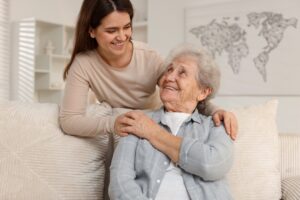
In a world that rushes forward at lightning speed, it is easy to underestimate the impact of just 30 minutes. But for an elderly person sitting quietly in a care home or their residence, those 30 minutes can be life-giving. A short visit holds more power than we often realise as it carries warmth, conversation, connection and above all, the feeling of being remembered.

As we grow older, our social circles shrink. Friends move away, loved ones pass on, and mobility may become limited. Loneliness, though rarely spoken about, can cast a long shadow. That is where the simple act of showing up and spending half an hour with someone can shine like sunlight through a cloudy day. A familiar voice, a shared laugh or a story from the past can bring back cherished memories and reawaken the joy of being seen and heard.

These moments do not require grand gestures. Sometimes sitting together in silence, holding a hand or listening patiently can mean the world. For elderly persons who often move through long days marked by routine, the interruption of a visit becomes a highlight as it gives them a chance to feel involved in the world again.

Even a brief conversation about everyday life, such as a favourite dish, a recent celebration or how the garden is doing, can make elderly persons feel included. When they share their own stories, they are not only passing on wisdom but also reclaiming their identity and dignity.

From a carer’s perspective, a visit offers reassurance as it is a visible sign that the elderly person is loved, valued and not forgotten. For the visitor, it becomes a gentle reminder of what truly matters, which is relationships, empathy and time well spent.

We do not need to carve out an entire day. We just need to show up. Because in those 30 minutes, we gift not just time but presence. We offer companionship in a world that often forgets to pause. And in doing so, we build a bridge between generations, one visit at a time.

Let us not wait for a special occasion. Let us make any day the reason to connect. For an elderly person, 30 minutes is never just 30 minutes. It is comfort, joy and the reassurance that their story still matters.

Recent Posts

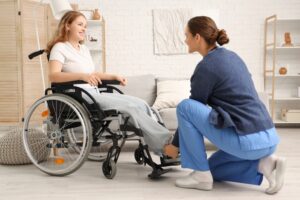
How Can You Support Independent Living with a Disability?

Living independently is an important goal for many people with disabilities. Independence does not mean doing everything alone. Instead, it means having the freedom to make choices, participate in everyday activities, and live a life that reflects personal goals and preferences. With the right support, resources, and environment, individuals with disabilities can enjoy greater confidence, inclusion, and quality of life.
Read More »

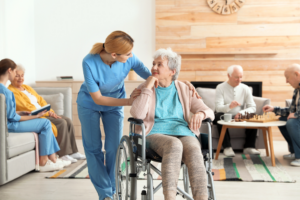
What Are the Most Effective Ways to Boost Senior Wellness?

Staying well in later years is about more than just physical health. It’s about feeling good in your body, mind, and heart, and staying connected with the people and activities that bring joy. Small, consistent steps can make a big difference in helping seniors live independently and happily.

Read More »

How Does Healthcare Support People with Physical Disabilities?

Healthcare plays a crucial role in supporting people with physical disabilities, helping them live fulfilling, independent, and dignified lives. From medical interventions to rehabilitation, assistive devices, and emotional support, healthcare systems work to address the unique needs of individuals with physical challenges.

Read More »

Why Is Consistency Important in Home Care?

Choosing home care is about more than finding someone to help with daily tasks. It is about ensuring that care is reliable, familiar, and tailored to an individual’s unique needs. One of the most important factors in achieving quality care is consistency. Receiving support from familiar carers who understand a person’s routines, preferences, and goals can have a positive impact on their physical health, emotional wellbeing, and overall quality of life.

Read More »