





Putting Your Health Care Needs First....

Gardening for Seniors: Physical and Mental Health Benefits

Gardening for Seniors: Physical and Mental Health Benefits

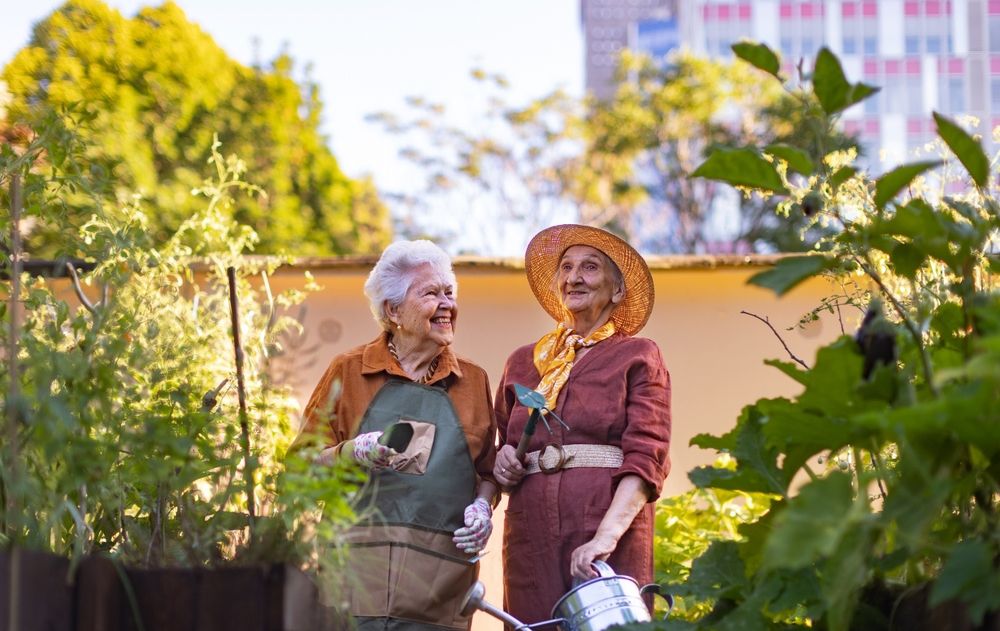
Gardening is more than just a hobby; it’s a wonderful activity that offers numerous benefits, especially for seniors. It provides a great way to stay active, enjoy nature, and maintain a healthy lifestyle. Here’s a look at the physical and mental health benefits of gardening for older adults.

Physical Health Benefits

  1. Exercise: Gardening involves various physical activities such as digging, planting, weeding, and watering. These tasks help improve strength, flexibility, and stamina. Regular gardening can be as beneficial as other forms of exercise like walking or cycling.
  2. Heart Health: The physical activity involved in gardening helps keep the heart healthy. It increases the heart rate and improves circulation, which can reduce the risk of heart disease.
  3. Improved Mobility and Flexibility: Working in the garden requires bending, stretching, and reaching, which helps maintain joint flexibility and overall mobility. This is particularly important for seniors to keep their bodies agile and reduce stiffness.
  4. Sunlight and Vitamin D: Spending time outdoors in the sunlight while gardening helps the body produce Vitamin D. This vitamin is essential for bone health and can help boost the immune system.

Mental Health Benefits

  1. Stress Relief: Gardening is a peaceful and calming activity. The act of tending to plants and being surrounded by nature can significantly reduce stress and anxiety levels. It offers a break from the hustle and bustle of everyday life.
  2. Sense of Accomplishment: Watching plants grow and thrive gives a sense of achievement and purpose. This can be particularly rewarding for seniors, providing a sense of fulfillment and boosting self-esteem.
  3. Cognitive Function: Gardening requires planning and problem-solving skills, which can help keep the brain active. It encourages creativity and learning, whether it’s figuring out the best way to plant a garden or learning about different types of plants.
  4. Mood Improvement: Spending time in nature and engaging in physical activity releases endorphins, the body’s natural mood lifters. This can help combat feelings of depression and enhance overall mood.

Social Benefits

  1. Community Gardening: Many communities have shared gardens where people can come together to plant and tend to a garden. This offers a wonderful opportunity for seniors to socialize, make new friends, and share gardening tips.
  2. Family Bonding: Gardening can be a great way for seniors to spend time with family members, especially grandchildren. It’s an activity that can be enjoyed by all ages, fostering intergenerational bonding.

Conclusion

Gardening is an excellent activity for seniors, offering a wide range of physical and mental health benefits. It helps keep the body active, improves mood, and provides a sense of accomplishment. Whether working in a community garden or tending to a small garden at home, the joy and health benefits of gardening make it a highly rewarding pastime for older adults. So, grab some gardening tools and start planting; your mind and body will thank you!

Recent Posts

How Can You Support Independent Living with a Disability?

Living independently is an important goal for many people with disabilities. Independence does not mean doing everything alone. Instead, it means having the freedom to make choices, participate in everyday activities, and live a life that reflects personal goals and preferences. With the right support, resources, and environment, individuals with disabilities can enjoy greater confidence, inclusion, and quality of life.


Read More »

What Are the Most Effective Ways to Boost Senior Wellness?

Staying well in later years is about more than just physical health. It’s about feeling good in your body, mind, and heart, and staying connected with the people and activities that bring joy. Small, consistent steps can make a big difference in helping seniors live independently and happily.

Read More »

How Does Healthcare Support People with Physical Disabilities?

Healthcare plays a crucial role in supporting people with physical disabilities, helping them live fulfilling, independent, and dignified lives. From medical interventions to rehabilitation, assistive devices, and emotional support, healthcare systems work to address the unique needs of individuals with physical challenges.

Read More »

Why Is Consistency Important in Home Care?

Choosing home care is about more than finding someone to help with daily tasks. It is about ensuring that care is reliable, familiar, and tailored to an individual’s unique needs. One of the most important factors in achieving quality care is consistency. Receiving support from familiar carers who understand a person’s routines, preferences, and goals can have a positive impact on their physical health, emotional wellbeing, and overall quality of life.

Read More »